
What is a Personal Aesthetic?
The term "aesthetic" is frequently used online to describe highly curated, often expensive lifestyles. However, a true personal aesthetic is not a trend you buy into; it is a visual and sensory reflection of your internal preferences. It is the common thread that ties together the things you naturally gravitate towards—the colors that make you feel calm, the textures you find comforting, the styles of clothing you feel most confident in, and the environments where you feel most at ease. Identifying your personal aesthetic is essentially an exercise in self-awareness. It requires tuning out external noise—what is currently popular or what influencers are promoting—and paying close attention to your own visceral reactions. When you understand your aesthetic, you stop accumulating random items that do not suit you and start intentionally surrounding yourself with things that genuinely bring you joy and a sense of visual harmony.
Gathering Inspiration Without Judgment
The first step in identifying your aesthetic is to gather inspiration broadly and without self-editing. Create a physical or digital mood board where you collect images that instantly appeal to you. Do not overthink why you like them; if an image of a rustic kitchen, a sleek modern lamp, a moody landscape, or a specific outfit catches your eye, save it. Look beyond just fashion and interior design. Include images of nature, art, architecture, and even typography. During this phase, you are simply collecting raw data. Resist the urge to categorize or label what you are finding. The goal is to build a large enough collection that patterns naturally begin to emerge. This process might take weeks or even months of casual observation, but it is crucial for ensuring that the aesthetic you identify is rooted in your genuine preferences rather than a passing fad.
Identifying the Core Themes
Once you have a substantial collection of inspiration, it is time to analyze it for common themes. Look at your mood board as a whole. What colors dominate the images? Are they muted earth tones, bright primary colors, or stark black and white? Notice the textures: do you see a lot of natural wood and linen, or sleek metal and glass? Pay attention to the overall feeling the images evoke. Do they feel cozy and intimate, energetic and vibrant, or calm and minimalist? Try to distill these observations into three to five descriptive words. For example, your aesthetic might be "warm, textured, and vintage" or "clean, geometric, and bright." These keywords become your aesthetic compass. They provide a simple framework you can use to evaluate future choices, helping you understand why a certain sweater or piece of furniture appeals to you and whether it truly fits your personal style.
Applying Your Aesthetic to Your Environment
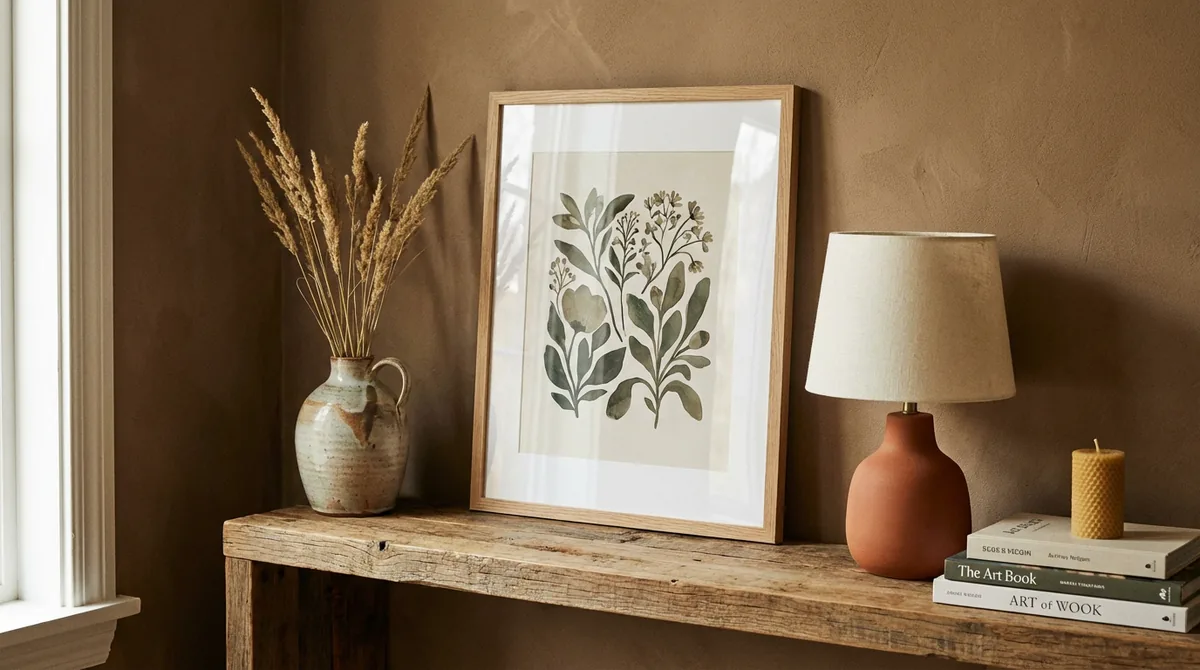
Translating an abstract aesthetic into your physical environment is where the real benefit lies. However, this does not require a massive budget or a complete home overhaul. Start with small, manageable changes that align with your core themes. If your keywords are "cozy and warm," you might focus on adding soft lighting, textured throw blankets, or natural materials to your living space. If your aesthetic is "clean and minimal," your first step might simply be aggressive decluttering and organizing surfaces. Focus on the sensory details: the scent of a candle, the feel of your bedsheets, the color of your coffee mug. By making deliberate choices about the small objects you interact with daily, you gradually shift the overall feeling of your environment. Over time, these small adjustments accumulate, transforming your space into a physical manifestation of your internal preferences.
Allowing Your Aesthetic to Evolve
A common mistake people make is treating their personal aesthetic as a rigid set of rules they must strictly follow forever. In reality, your aesthetic should be fluid and adaptable. As you grow, learn, and experience new things, your tastes will naturally change. What felt perfect to you five years ago might feel outdated or restrictive now. Allow yourself the freedom to evolve. If you find yourself drawn to a color or style that does not fit your established keywords, explore it anyway. Your aesthetic is meant to serve you, not constrain you. It is a tool for making intentional choices that bring you joy, not a uniform you have to wear. By regularly checking in with what currently inspires you and being willing to adjust your environment accordingly, you ensure that your personal style remains an authentic reflection of who you are right now.