
The Invisible Weight of Clutter
We rarely consider the psychological impact of the physical spaces we inhabit, yet our environment is constantly sending signals to our brain. One of the most common negative signals comes from physical clutter. When a room is filled with disorganized items, piles of mail, or unsorted laundry, it acts as a constant visual reminder of unfinished tasks. This visual noise demands our attention, even when we are not actively looking at it, slowly draining our cognitive resources. This phenomenon is known as the "invisible weight" of clutter. Over time, living in a disorganized space can increase levels of cortisol, the primary stress hormone, leading to feelings of anxiety, overwhelm, and chronic fatigue. Conversely, a clear, organized space provides a visual rest for the brain. It removes the constant low-level demand for attention, allowing the nervous system to relax and making it significantly easier to focus, rest, or engage in creative activities.
The Power of Lighting on Circadian Rhythms
Light is perhaps the most powerful environmental cue for the human body, directly influencing our circadian rhythms and, consequently, our mood and energy levels. Natural sunlight during the day signals to the brain that it is time to be alert and active. Spaces that lack natural light can contribute to feelings of lethargy and even seasonal affective disorder. As evening approaches, the type of artificial light we use becomes crucial. Bright, cool-toned overhead lighting mimics daylight, suppressing the production of melatonin and making it difficult to wind down. By switching to warm, dim lighting from lamps in the evening, we signal to our bodies that the day is ending, promoting relaxation and preparing us for sleep. By simply adjusting the lighting in your environment to match the time of day, you can drastically improve your daily energy trajectory and the quality of your rest.
Designing for Flow and Function
A poorly designed space creates friction in your daily life, and this friction accumulates, leading to frustration and a negative mood. If you constantly bump into a poorly placed coffee table, struggle to reach the items you use every day, or cannot find a comfortable place to sit, your environment is actively working against you. Designing for flow means organizing a space based on how you actually use it, not just how it looks. It involves analyzing your daily routines and ensuring that the physical layout supports those activities smoothly. For example, creating a dedicated, functional "drop zone" near the front door for keys and bags prevents that clutter from spreading throughout the house. When a space functions well, daily tasks require less mental and physical effort. This reduction in daily friction directly translates into a calmer, more positive mood, as you are no longer constantly battling your surroundings.
The Impact of Color Psychology
The colors surrounding us have a profound, albeit often subconscious, effect on our emotional state. Color psychology is the study of how different hues influence human behavior and feelings. While individual reactions can vary, there are general patterns. Cool colors like blues and greens are typically associated with calmness, focus, and relaxation, making them ideal for bedrooms or home offices. Warm colors like reds, oranges, and yellows tend to be energizing and stimulating, suitable for spaces where you want to encourage conversation or activity, like a dining room or kitchen. However, too much of a strong color can be overwhelming. The key is balance. By intentionally choosing the color palette of a room—through paint, textiles, or artwork—you can actively shape the mood you want that specific space to cultivate, turning a neutral room into a tool for emotional regulation.
Incorporating Natural Elements
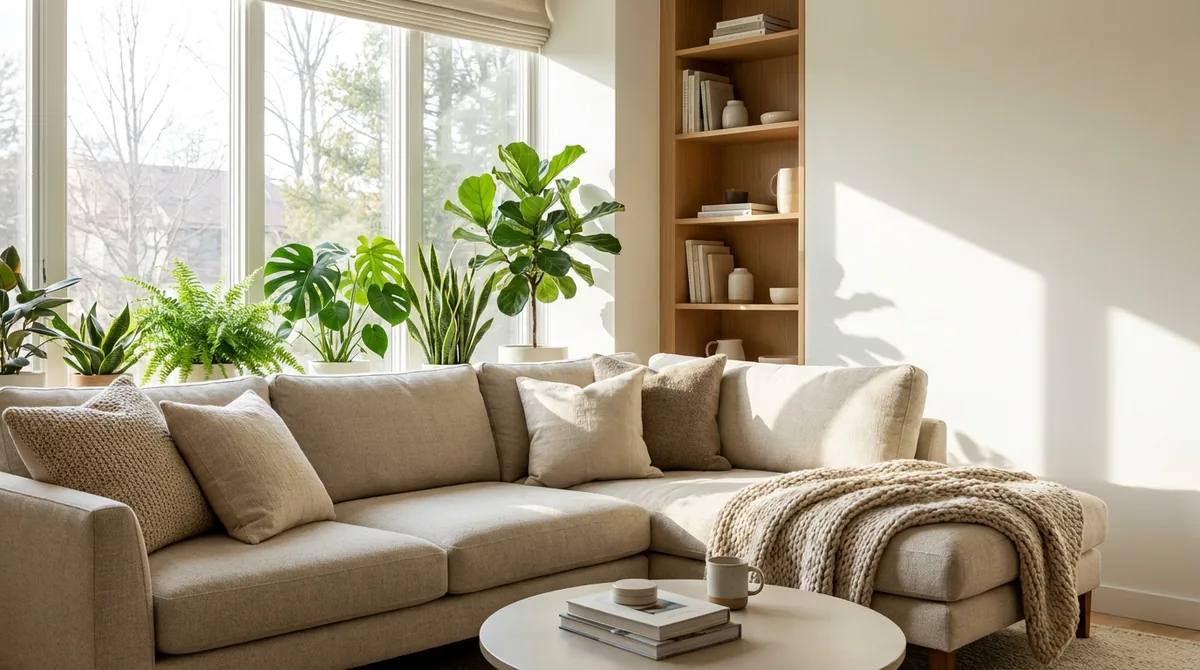
Humans have an innate connection to the natural world, a concept known as biophilia. When we are entirely cut off from nature, residing solely in sterile, artificial environments, our stress levels tend to rise. Incorporating natural elements into your indoor spaces is a highly effective way to improve your daily mood. This does not just mean adding houseplants, although that is an excellent start. It also involves utilizing natural materials like wood, stone, or woven fibers in your decor. Maximizing whatever natural light you have available and ensuring views of the outdoors, even if it is just a tree branch, also play a significant role. These elements introduce a sense of organic randomness and texture that synthetic environments lack. The presence of natural elements has been shown to lower blood pressure, improve concentration, and foster a general sense of well-being, making your home a more restorative place to be.